Introduction
Stress and tension don’t just exist in the mind — they often show up in the body as tight muscles, shallow breathing, and a constant sense of unease. While many people turn to massage or stretching, there is another approach that works more subtly: sound and vibration.
Tuning forks are simple tools that produce specific frequencies when struck. These vibrations can be felt and heard, and when used intentionally, they can help the body shift into a more relaxed state.
This guide will walk you through what tuning forks are, how they work, and how beginners can start using them for relaxation and stress relief.
What Are Tuning Forks?
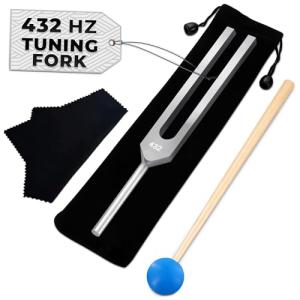
Tuning forks are small metal instruments that create a clear, steady tone when activated. Originally used for tuning musical instruments, they are now commonly used in sound-based relaxation practices.
Each tuning fork produces a specific frequency. When struck, it vibrates at that frequency, creating both an audible tone and a subtle physical vibration.
These vibrations can be:
- held near the body
- placed gently on certain areas
- used in the surrounding environment
How Sound and Vibration Affect the Body
The body naturally responds to rhythm and vibration. Gentle, consistent frequencies can help:
- shift attention away from stress
- encourage slower breathing
- promote a sense of calm
- reduce awareness of physical tension
Many people describe the experience as:
- grounding
- calming
- centering
Even a few minutes of exposure to steady tones can help create a noticeable shift in how the body feels.
Benefits of Using Tuning Forks
While experiences vary, tuning forks are often used to support:
Relaxation
The steady tone can help quiet mental noise and encourage the body to relax.
Reduced Muscle Tension
Vibration may help bring awareness to tight areas, allowing them to release.
Nervous System Support
Consistent sound patterns can help the body move toward a calmer state.
Focus and Mindfulness
The tone provides a point of attention, making it easier to stay present.
Types of Tuning Forks for Beginners
There are many types of tuning forks available, but beginners usually start with simple options.
Weighted Tuning Forks
These have small weights on the ends.
- produce stronger vibrations
- can be placed directly on the body
Best for:
physical relaxation and muscle awareness
Unweighted Tuning Forks
These produce a lighter, clearer tone.
- used more for sound than vibration
- typically held near the ears
Best for:
mental relaxation and mindfulness
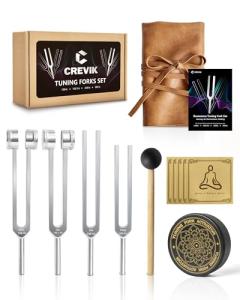
Frequency-Based Sets
Some tuning forks are designed around specific frequency systems.
- often used in structured practices
- may target relaxation or focus
Best for:
exploring different sound experiences
How to Use Tuning Forks (Simple Beginner Method)
You don’t need complex techniques to get started.
Step 1: Activate the Fork
Gently tap it against a soft surface like your hand or a rubber activator.
Step 2: Bring It Close
Hold it near:
- your ears
- your neck
- your shoulders
Step 3: Observe the Sensation
Pay attention to:
- the sound
- the vibration
- how your body responds
Step 4: Breathe Slowly
Combine the sound with slow breathing.
This enhances the calming effect.
Step 5: Repeat
Use for 3–5 minutes.
Even short sessions can help shift your state.
When to Use Tuning Forks
You can use them at different times of the day:
- after work to release tension
- before sleep to relax
- during breaks to reset focus
- after physical activity to unwind
They are especially useful when you feel:
- mentally overwhelmed
- physically tense
- unable to relax
Choosing Your First Tuning Fork
When selecting a tuning fork, look for:
- comfortable size
- durable material
- clear tone
- ease of use
Beginners often start with:
- a single weighted fork
- or a simple starter set
You don’t need a large collection to begin.
Final Thoughts
Tuning forks offer a simple and accessible way to explore relaxation through sound and vibration. They don’t require complicated techniques or long sessions — just a few minutes of focused use can help shift the body toward a calmer state.
If you’re looking for a gentle, non-invasive way to reduce stress and release tension, tuning forks can be a valuable addition to your relaxation routine.